Casey Hoffmann · 2 September 2026
Researchers based in Gdansk have released results from an extensive biodiversity survey of dock environments. The work examined species presence, water conditions, and habitat quality across multiple port locations. Findings show measurable gains in ecological diversity linked to ongoing cleanliness measures.
Survey Methodology
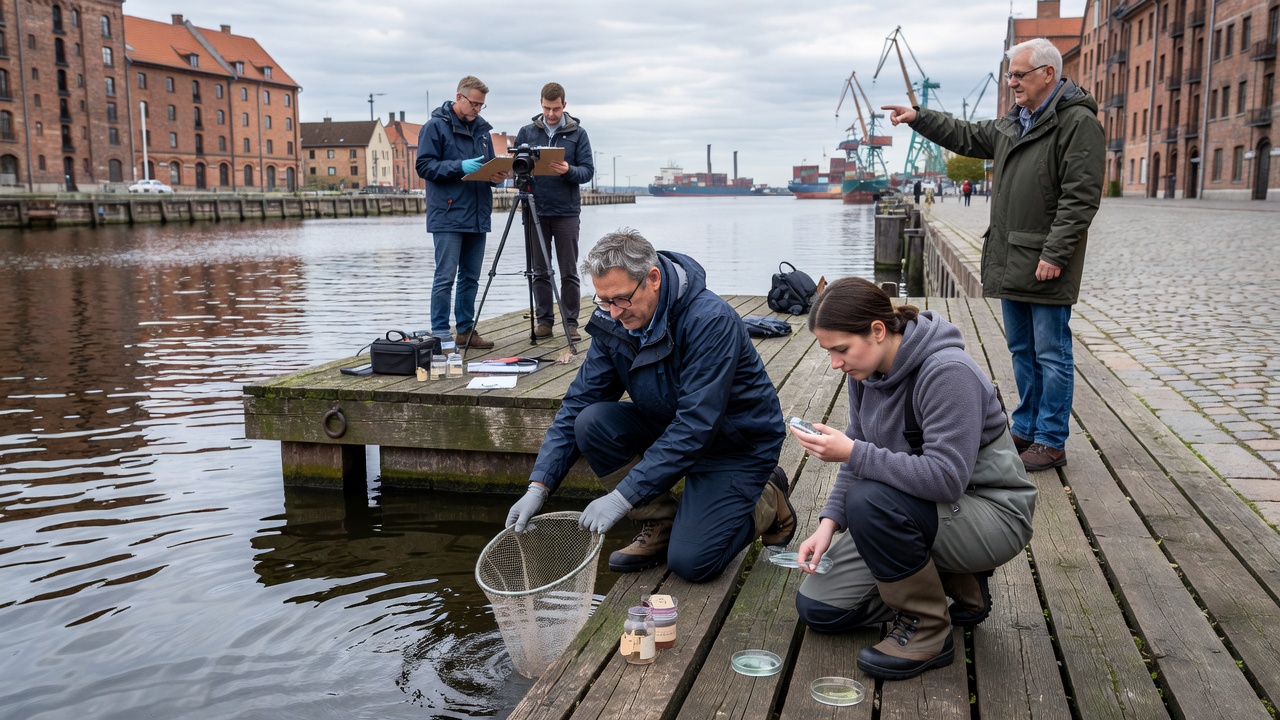
Teams used underwater imaging, sediment sampling, and species counts during repeated site visits over six months. Data collection covered fish populations, invertebrate communities, algae coverage, and water chemistry parameters at ten dock stations. Comparisons with historical records revealed shifts in abundance for several native species. Protocols followed standardized marine monitoring guidelines to ensure consistency. Researchers also logged temperature variations, salinity levels, and nutrient concentrations to correlate environmental factors with observed biodiversity patterns. Training sessions prepared volunteers for accurate identification of less common organisms encountered during fieldwork.
Analysis included statistical modeling to account for seasonal influences and sampling effort. The resulting dataset spans more than 250 identified taxa, providing a baseline for future tracking. Particular attention went to areas participating in dock maintenance programs that limit debris and chemical inputs.
Key Findings and Educational Value
Results indicate a 22 percent rise in species richness compared with surveys from five years earlier. Notable increases appeared among crustaceans and small fish, while certain pollution-sensitive algae returned to previously affected zones. Invasive species numbers remained stable, suggesting current controls are effective. These outcomes demonstrate how targeted cleanliness efforts can support resilient marine habitats within industrial port settings.
The published data offer practical resources for environmental education programs. Instructors can incorporate survey maps, species lists, and trend graphs into lessons on coastal ecology and conservation practices. Students gain direct exposure to real monitoring techniques and the measurable benefits of reduced contaminants. Continued observation will help refine strategies for maintaining biodiversity gains amid changing climate conditions and port activity levels.