Iris Jung · 2 September 2026
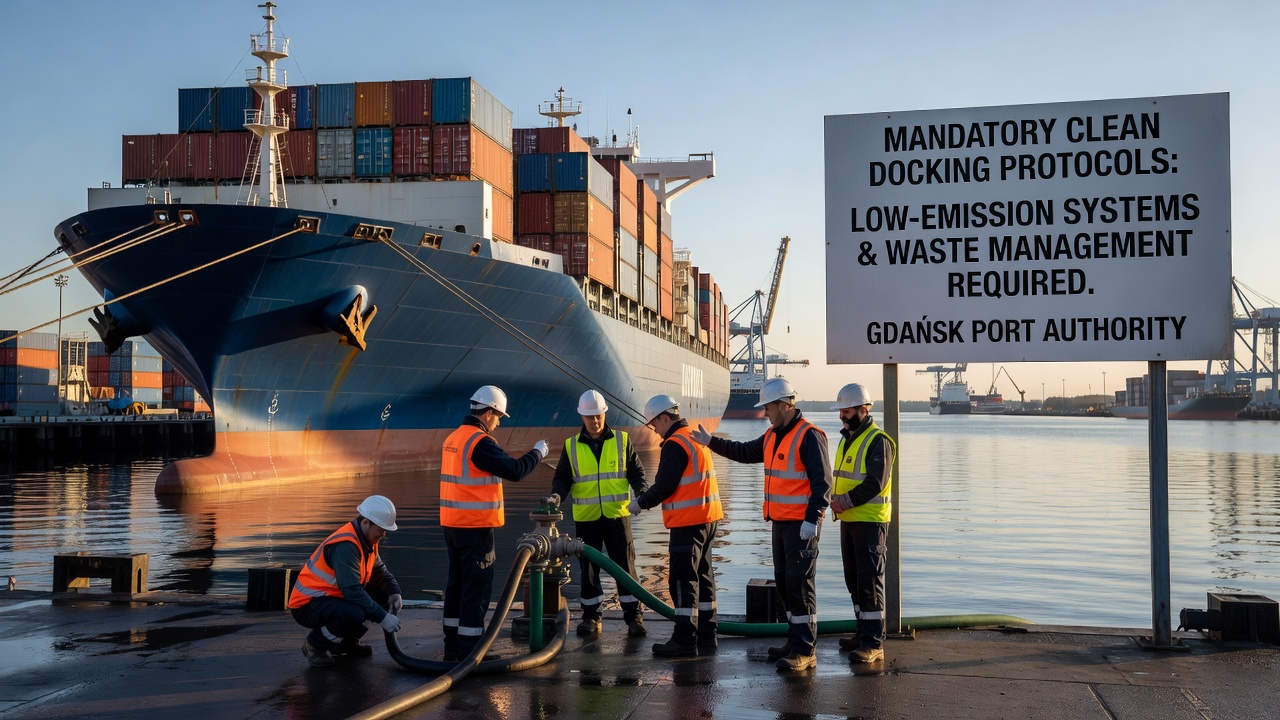
The Polish Ports Authority has begun implementing mandatory clean docking protocols at key facilities including Gdansk, Gdynia, and Szczecin as well as other major harbors along the coast. These measures aim to minimize environmental impact from shipping activities and align with European Union sustainability goals set forth in recent directives.
Protocol Details and Compliance
Vessels docking at these ports must now adhere to strict guidelines designed to protect the environment. This includes connecting to shore-side electricity supplies to reduce engine idling emissions that contribute to air pollution. Proper handling of ballast water is required to prevent the introduction of invasive species into local waters. Crews must also use low-emission fuels during the approach and maneuvering phases. Port officials will conduct regular inspections to ensure full compliance with all rules. Fines will be imposed for any violations detected during checks. Shipping companies are required to submit detailed environmental reports prior to vessel arrival at the port. Additionally, training programs for crew members on these new protocols are being introduced through partnerships with educational institutions focused on maritime ecology and sustainable practices.
Impact on Marine Ecosystems and Future Outlook
The new protocols are expected to significantly cut air and water pollution levels throughout the Baltic Sea region over the coming years. By reducing emissions of sulfur oxides and nitrogen oxides from ships, the measures will help protect local wildlife populations and improve air quality for communities living near the ports. Clean Dock Environmental Education initiatives will provide valuable resources for schools and maritime professionals to better understand these important changes and their implications. Long-term benefits include enhanced biodiversity in coastal areas and greater support for sustainable international trade routes. Authorities plan to expand these rules to smaller regional ports by the year 2026 while encouraging innovation in green technologies among the entire maritime industry. Advanced monitoring systems will track environmental progress and allow for necessary adjustments based on real-time data collected from the initial phases of implementation across the country.
Industry experts note that these changes will require significant investment from shipping lines but will yield substantial returns in terms of environmental preservation and regulatory compliance.
Collaboration between government agencies and private sector stakeholders remains essential for success.
Public awareness campaigns will educate citizens on clean docking importance.