Amir Werner · 24 October 2026
Shifting Dynamics in European Port Labor Markets Following Adoption of Remote Inspection Technologies for Vessel Hulls
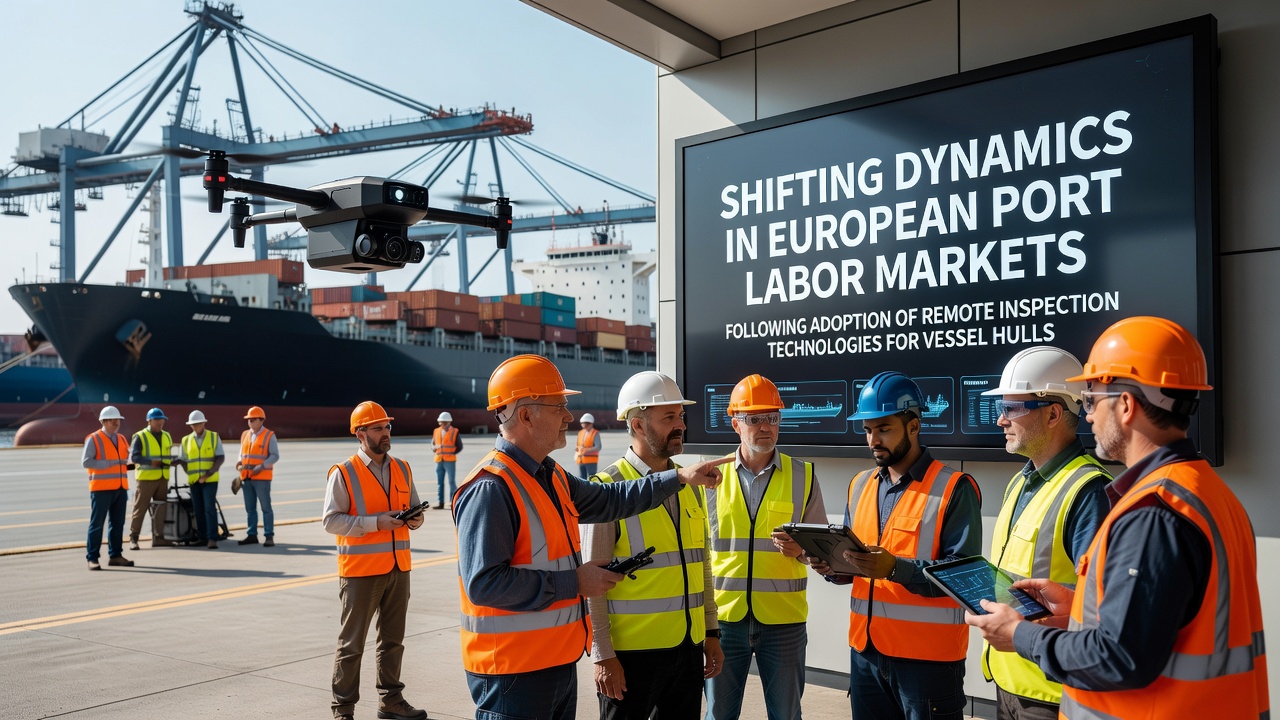
European ports have integrated remote inspection technologies for vessel hulls at an accelerating pace since the early 2020s, and labor markets in these facilities now reflect measurable changes in employment patterns. Remote systems including underwater drones, remotely operated vehicles, and AI-assisted imaging platforms handle hull assessments that previously required on-site diver teams or manual scaffolding setups. Ports such as Rotterdam, Hamburg, and Antwerp report reduced demand for certain traditional inspection roles while new positions emerge around equipment operation and data analysis.
Technology Integration Across Major Facilities
Remote tools capture high-resolution imagery and sonar data during vessel berthing without interrupting cargo operations, and operators review findings from shore-based control centers. According to reports from the European Maritime Safety Agency, multiple terminals completed pilot programs by 2025 that demonstrated consistent accuracy in detecting coating defects and structural anomalies. These systems operate in conditions where diver safety concerns previously limited inspection windows, which allows facilities to maintain schedules during adverse weather periods.
Adoption rates vary by region yet show consistent upward trends. Northern European ports lead in deployment volume because of stricter environmental monitoring requirements tied to Baltic and North Sea regulations, while Mediterranean facilities follow with investments focused on larger container vessels. Data from industry tracking services indicate that over 40 percent of inspected hulls in the top ten European ports now undergo at least partial remote assessment.
Changes in Workforce Composition
Traditional hull inspection teams have seen position reductions as remote methods replace diver entries and rope-access work. Employment statistics compiled by port authorities show a 15 to 25 percent decline in diver-certified roles at facilities with full remote capability, although overall port staffing levels remain stable due to growth in logistics and maintenance sectors. Workers who previously performed physical inspections now transition into roles that involve drone piloting, sensor calibration, and interpretation of digital survey outputs.
Training programs at vocational institutes in the Netherlands and Germany have adjusted curricula to include certification modules for remote vehicle operation and data management software. These courses run in partnership with equipment manufacturers, and completion rates have risen steadily through 2026. Observers note that the shift creates demand for technical skills in electronics and software rather than the physical endurance once central to diver work.
Regional Patterns and October 2026 Developments
Port labor agreements in Scandinavia incorporate clauses that protect displaced workers through retraining subsidies funded by terminal operators. In contrast, southern European ports rely more on natural attrition and voluntary upskilling initiatives. A joint study released in October 2026 by research teams at the University of Genoa and the Norwegian Maritime Authority documented these differences across ten facilities and found that retraining participation correlates directly with wage stability in the affected workforce segments.
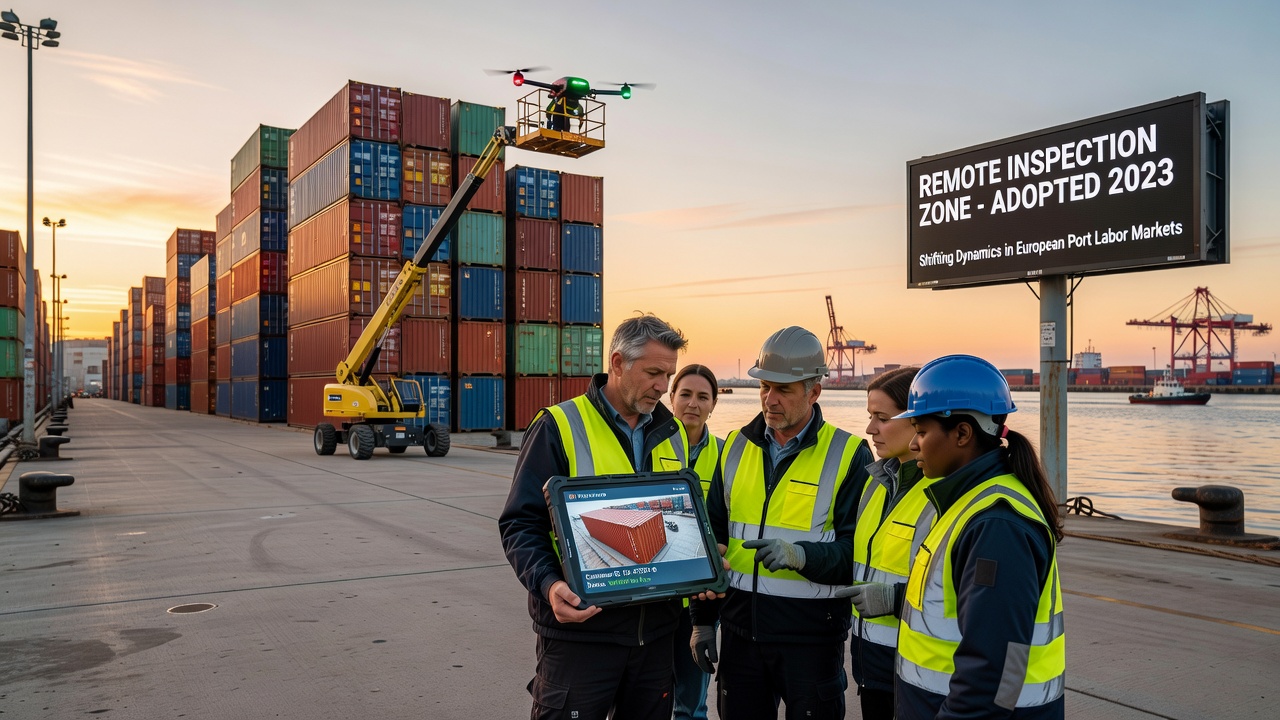
October 2026 also marked the rollout of standardized reporting formats for remote inspection results across EU member states. These formats allow cross-border recognition of survey data, which reduces duplication of inspections for vessels moving between ports. Labor unions in several countries have used the new standards as leverage in contract negotiations to secure guarantees for continued employment of inspection personnel in supervisory capacities.
Economic Indicators and Skill Requirements
Wage data from port employment bureaus reveal that certified remote inspection operators earn salaries comparable to or slightly above former diver rates in most locations. The premium stems from the specialized nature of the equipment and the need for continuous software updates. Facilities report lower insurance costs associated with remote operations because they eliminate certain occupational hazards, and these savings partially offset technology acquisition expenses.
Case examples from the Port of Gdansk illustrate how one terminal reduced inspection turnaround time by 30 percent after installing fixed drone launch points along quay walls. The same installation created four new full-time positions focused on equipment maintenance and flight planning, positions filled by workers who completed manufacturer-led certification programs. Similar patterns appear at facilities in Le Havre and Valencia where management tracks both productivity gains and shifts in occupational classifications.
Future Outlook for Port Employment
Projections based on current adoption curves suggest continued expansion of remote inspection capacity through the remainder of the decade. Labor market analysts at academic institutions expect demand for hybrid skill sets that combine maritime knowledge with digital proficiency to remain high. Ports that invest early in workforce transition support report smoother integration and fewer disputes over role changes.
Conclusion
Remote inspection technologies have altered the composition of European port labor markets by replacing certain physical inspection tasks with remote operation and data analysis positions. Employment data through October 2026 document measurable shifts in role requirements across major facilities, accompanied by expanded training pathways and regional variations in transition support. These developments continue to shape hiring practices and skill development initiatives at ports throughout the continent.